
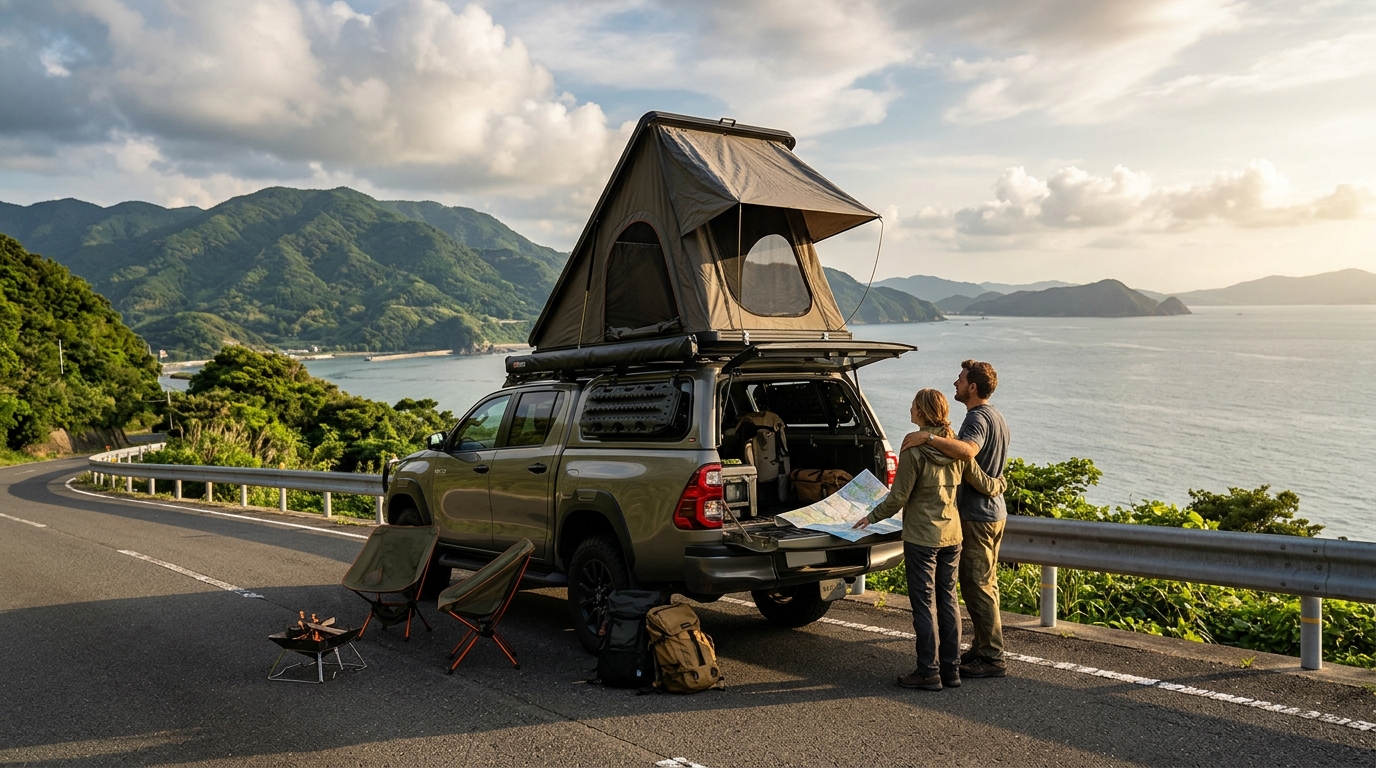
Planning a road trip through Kyushu is an exhilarating prospect, yet the logistics of off-grid travel often trip up even seasoned adventurers. According to recent industry data, nearly 40 percent of international travelers underestimate the complexity of vehicle preparation for rural Japanese roads. This statistic highlights a critical gap in travel planning that can turn a dream vacation into a logistical nightmare. By understanding the specific operational realities of renting a 4x4 in this region, you can ensure your journey remains seamless from the moment you pick up your keys. (Get in Touch with)
Ignoring Branch Location Logistics
One of the most frequent errors travelers make is assuming that camper rental services are uniformly distributed across Japan. In reality, specialized 4x4 operators often maintain a limited number of strategic bases. Overland Campers Japan, for instance, operates exclusively from two primary hubs: Tokyo and Fukuoka. This geographic constraint means that your entry point into the country dictates your available fleet options. (Renting a Camper Van)
For travelers focusing on Kyushu, picking up your vehicle in Fukuoka is not just a convenience; it is a necessity for accessing the southern archipelago's rugged terrain. The Fukuoka branch is strategically located in Fukuma, on the northern coastline. This position offers easy access to central Fukuoka while serving as the gateway to the region's diverse landscapes. If you attempt to pick up a vehicle in Tokyo and drive it south, you will face excessive transit times and potentially prohibitive one-way drop-off fees. (Renting a Camper Van)
Understanding the proximity of these branches to major transport hubs is vital. The Fukuoka location is approximately 35 minutes from Fukuoka Airport and 15 to 25 minutes from Hakata Station. This proximity allows for a smooth transition from international arrival to your first adventure. Conversely, the Tokyo branch in Yutenji and Naka-Meguro is positioned to serve the Kanto region, with quick access to Shibuya and Shinjuku. Mixing up these bases can lead to significant scheduling conflicts and unnecessary stress. (Learn more)
Underestimating Fuel Infrastructure
Driving a 4x4 camper van through the remote mountains of Kyushu requires a fundamental shift in how you manage fuel. Unlike standard city driving, where gas stations are abundant, rural Kyushu can have long stretches without convenient refueling points. Many travelers make the mistake of waiting until the fuel gauge is critically low before seeking a station.
It is crucial to adopt a proactive fueling strategy. Always refuel when you are within a reasonable distance of your base or a major town. Overland Japan requires customers to top up fuel within 3 km of the base before return. This policy ensures that the vehicle is ready for the next guest without delay. Failing to adhere to this can result in additional service charges or delays in your return process.
Furthermore, the type of fuel matters. Most 4x4 campers, including the Suzuki Jimny and Toyota FJ Cruiser, run on regular gasoline. However, diesel availability can be sporadic in remote areas. Always verify the fuel type required for your specific vehicle before embarking on a long leg of your journey. Carrying a portable fuel canister, if permitted by your rental agreement, can serve as a vital safety net in emergency situations.
Overlooking Vehicle Capability
Not all campers are created equal, and choosing the wrong vehicle for your itinerary is a common pitfall. The Suzuki Jimny Sierra, for example, is a compact 4x4 designed for nimble handling and tight spaces. It sleeps two people and offers a luggage capacity of 80 cm by 60 cm by 80 cm. This vehicle is ideal for couples or solo travelers who prioritize agility over space.
On the other hand, the Toyota FJ Cruiser offers more room and comfort for those planning longer stays or traveling with more gear. It is built to go further and stay longer, providing a robust platform for exploring Japan's unscripted roads. Selecting a vehicle that does not match your group size or luggage needs can lead to cramped conditions and compromised safety.
Additionally, consider the terrain you plan to traverse. While the Jimny is capable of off-road adventures, its smaller size may limit stability on rougher tracks compared to the larger Defender or FJ models. Overland Japan provides a fleet that includes various options, such as the Tokyo Defender Outbound and the Fukuoka Jimny variants. Each vehicle comes with a complete overland setup, including rooftop tents, kitchen equipment, and power systems. Understanding these differences allows you to choose a vehicle that aligns with your adventure style.
Neglecting Booking Timelines
Peak travel seasons in Japan, particularly during cherry blossom season in spring and autumn foliage in fall, see a surge in demand for camper rentals. Many travelers make the mistake of waiting until the last minute to book, only to find that their preferred dates or vehicle types are unavailable.
Overland Japan recommends submitting your reservation enquiry well in advance. Upon receiving your enquiry, the company provides a full quotation with options within three business days. This process allows you to review the details, ask questions, and secure your booking. Once you accept the quote, you must complete payment via bank transfer or credit card within a specified deadline, usually one week.
Failure to meet the payment deadline results in automatic cancellation of your reservation. This strict policy underscores the importance of timely action. By booking early, you not only secure your preferred vehicle but also gain peace of mind, knowing that your Kyushu adventure is confirmed.

Misunderstanding Return Policies
The final leg of your journey is just as important as the departure. Many travelers underestimate the importance of adhering to return times and procedures. Overland Japan has clear guidelines regarding vehicle return to ensure a smooth experience for all guests.
You must return the vehicle at the agreed time and location. If traffic delays you, it is essential to call the provided contact number immediately. Being over 30 minutes late without communication can result in cancellation fees and additional charges. Additionally, the vehicle must be returned with a full tank of fuel, and you must provide a receipt if you refuel within 3 km of the base.
The return process also includes a quick walkaround inspection. This step ensures that the vehicle is in good condition and helps identify any potential issues. By understanding and respecting these policies, you contribute to a positive rental experience and maintain the high standards of the overland community.
Key Takeaways
- Pick up your camper in Fukuoka for direct access to Kyushu's best routes, avoiding the logistical burden of a Tokyo pickup.
- Refuel proactively, keeping in mind the requirement to top up within 3 km of the base before return.
- Choose your vehicle based on group size and luggage needs, such as the compact Jimny for two or the spacious FJ Cruiser for more gear.
- Book well in advance, as quotations are provided within three business days and payments must be cleared within a week to confirm.
- Adhere strictly to return times and communicate immediately if delays occur to avoid cancellation fees.
- Verify the fuel type and availability along your route, especially in remote mountainous areas of Kyushu.
- Understand the specific branch locations, such as Fukuma for Fukuoka, to plan your transit from the airport or station efficiently.
Frequently Asked Questions
Can I pick up a camper in Tokyo and drop it off in Fukuoka?
Yes, Overland Japan offers one-way drop-offs, allowing you to pick up in Tokyo and return in Fukuoka, or vice versa. This flexibility enables you to explore different regions of Japan without backtracking. However, this service may incur additional fees, so it is best to inquire during the quotation phase.
What is included in the camper rental price?
The rental price includes a fully equipped overland setup. This typically features a rooftop tent, kitchen equipment, power systems, and premium camping gear. There are no hidden upgrades or add-ons, ensuring that you have everything you need for a comfortable stay.
How far in advance should I book my camper?
It is advisable to book as early as possible, especially during peak seasons. Once you submit an enquiry, you will receive a quotation within three business days. After accepting the quote, payment must be made within a week to lock in your reservation.
What happens if I am late returning the vehicle?
If you are delayed, you must call the provided contact number immediately. Being over 30 minutes late without communication can result in cancellation fees. It is crucial to adhere to the agreed return time to avoid additional charges.
Do I need to refuel the vehicle before returning it?
Yes, you are required to top up the fuel within 3 km of the base before return. You must bring the receipt with you to prove refueling. This policy ensures the vehicle is ready for the next guest.
Is the Suzuki Jimny suitable for off-road driving?
Yes, the Suzuki Jimny Sierra is a compact 4x4 built for off-road capability. It is nimble and designed to go anywhere, making it ideal for exploring Japan's rugged terrain. However, its smaller size may limit luggage space compared to larger models.
What are the operating hours for the Fukuoka branch?
Operating hours may vary, so it is best to check the specific details during your booking process. The Fukuoka branch is located in Fukuma, offering easy access to the northern coastline and central Fukuoka.
Ready to Explore Kyushu?
Avoiding these common mistakes will set the stage for an unforgettable adventure. With the right preparation and the right vehicle, you can experience the open roads and open skies of Japan. Book your 4x4 camper today and start planning your journey through Kyushu's stunning landscapes.