
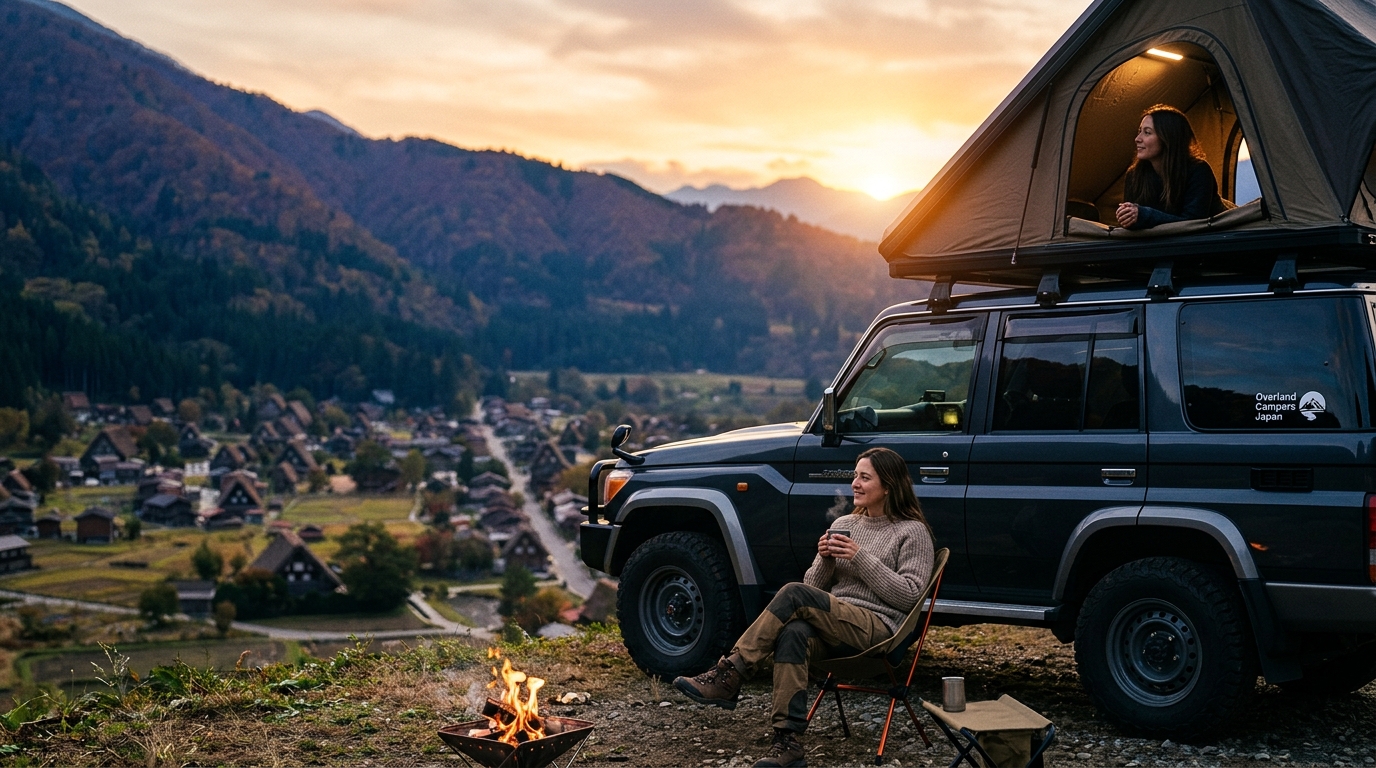
Recent Shifts in Japan's Camper Van Rental Industry for Adventure Travelers
The landscape of Japanese overland travel is undergoing a significant transformation. In 2026, the demand for self-drive exploration has surged, with Overland Campers Japan reporting that 4,653 travelers have been hosted across their network. This growth reflects a broader shift in how international visitors approach the country, moving away from rigid rail schedules toward flexible, open-road adventures. The industry is no longer just about renting a vehicle; it is about accessing a curated ecosystem of premium, fully equipped overland experiences.
The Premiumization of Standard Rentals
Historically, camper van rentals in Japan were often viewed as budget-friendly, utilitarian options. Today, the market has pivoted sharply toward premiumization. Travelers are willing to pay a higher daily rate for vehicles that arrive fully equipped with rooftop tents, kitchen systems, and power solutions. This shift is driven by a desire for convenience and safety, particularly among international visitors who may be unfamiliar with sourcing gear locally.
Overland Campers Japan exemplifies this trend by building their standard offering around a "no upgrades, no add-ons" philosophy. Every vehicle is prepared with a complete camping system, ensuring that the experience is consistent regardless of the branch. This approach reduces the friction of travel planning, allowing adventurers to focus on the journey rather than the logistics of setting up camp.
The data shows that this premium model has gained traction rapidly. With a 4.8-star rating on Google, the company has established itself as a trusted provider for travelers seeking reliability. The emphasis on quality gear, such as premium camping mattresses and robust kitchen setups, distinguishes modern rentals from the older, more basic models that once dominated the market.
Fleet Diversity: From Jimny to Defender
One of the most notable shifts in the industry is the diversification of vehicle types available to renters. Previously, large, bus-style campers were the primary option. Now, compact 4x4 vehicles have become the preferred choice for navigating Japan's narrow rural roads and mountain passes. This trend aligns with the growing popularity of "overlanding," a style of travel that emphasizes self-reliance and access to remote locations.
The Suzuki Jimny Sierra has emerged as a standout option in this category. Designed for two people, this compact 4x4 offers a small footprint that allows access to trails and campsites inaccessible to larger vehicles. Despite its size, it is equipped with a complete overland setup, including a rooftop tent and kitchen. This vehicle is ideal for couples or solo adventurers who prioritize agility and off-road capability over spaciousness.
For those requiring more space and comfort, larger vehicles like the Toyota FJ Cruiser and Land Rover Defender are available. These vehicles offer more interior room and luggage capacity, making them suitable for longer expeditions or groups. The availability of these diverse options allows travelers to choose a vehicle that matches their specific adventure style, whether it is a quick coastal hop or a multi-week mountain trek.
| Vehicle Model | Capacity | Best For | Key Feature |
|---|---|---|---|
| Suzuki Jimny Sierra | 2 People | Agile Off-Roading | Compact Footprint |
| Toyota FJ Cruiser | 2+ People | Long-Distance Comfort | Spacious Interior |
| Land Rover Defender | 2+ People | Premium Overlanding | High Ground Clearance |
Operational Flexibility and One-Way Rentals
Flexibility in pickup and drop-off locations has become a critical factor for modern travelers. The traditional model of returning a vehicle to the same location it was picked up from is increasingly seen as a constraint. In response, companies like Overland Campers Japan have expanded their network to offer one-way rentals between major hubs.
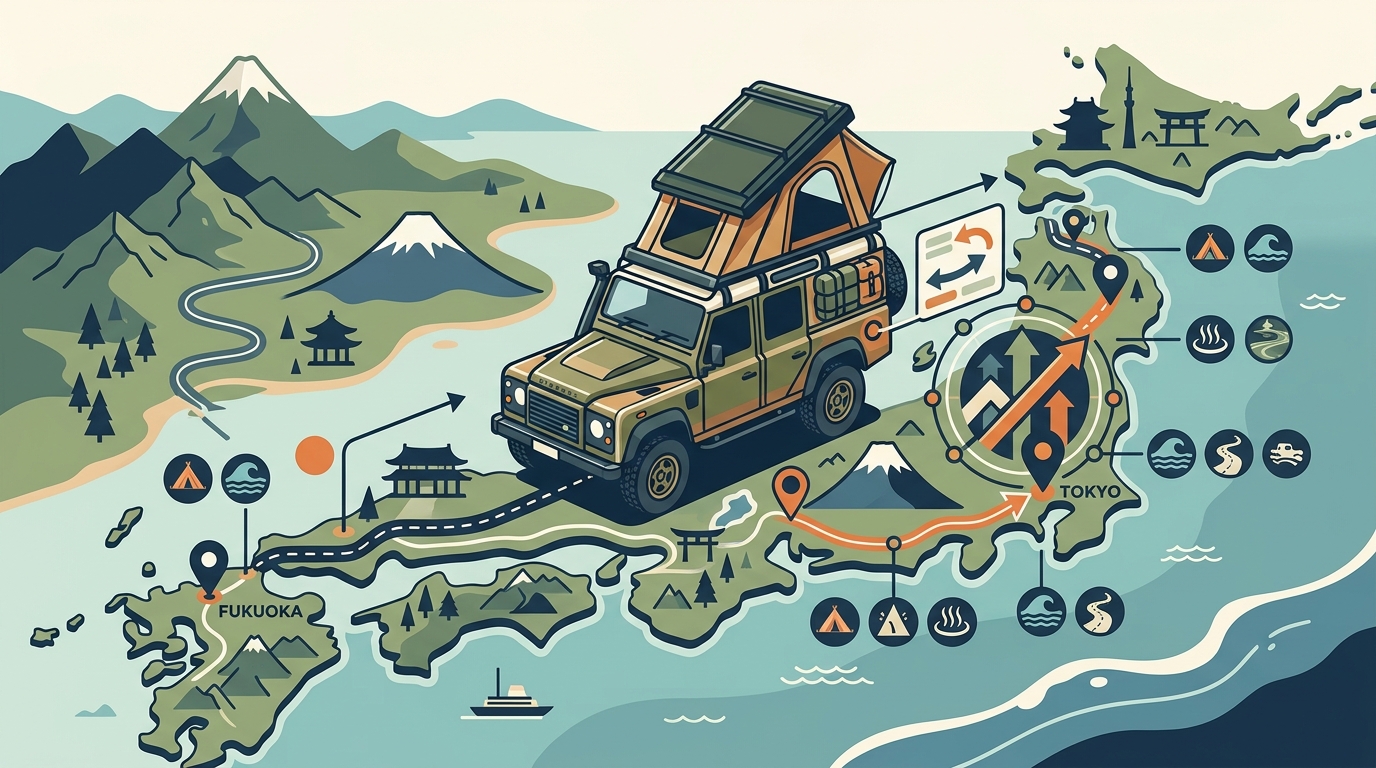
With bases in Tokyo and Fukuoka, travelers can now start their adventure in the north and end it in the south, or vice versa. This operational flexibility allows for more efficient itineraries, eliminating the need for backtracking. For example, a traveler can pick up a vehicle in Tokyo, explore the Tohoku region, and then fly to Fukuoka to drop off the vehicle and continue exploring Kyushu.
This shift is supported by improved logistics and insurance frameworks. The ability to offer one-way rentals requires robust coordination between branches, ensuring that vehicles are cleaned, serviced, and prepared for the next customer. The result is a seamless experience that mirrors the flexibility of international air travel, but with the freedom of the open road.
Digital Integration in the Booking Flow
The booking process for camper vans has also evolved, becoming more digital and transparent. In the past, renting a vehicle often involved lengthy phone calls and in-person negotiations. Today, the process is streamlined through online enquiry forms and digital payment systems.
The standard flow now begins with an online enquiry, where customers select their vehicle, dates, and any additional options. A full quotation is typically provided within three business days. Once the quote is accepted, payment can be made via international credit card or local bank transfer, locking in the reservation. This digital-first approach reduces uncertainty and allows travelers to plan their trips with greater confidence.
Furthermore, the pre-departure process has been optimized. Customers are provided with detailed instructions on how to operate the vehicle and its camping systems. This preparation is crucial for international visitors who may be unfamiliar with Japanese driving norms or camping etiquette. The goal is to ensure that the transition from booking to driving is as smooth as possible.
Sustainability and Remote Access
As interest in nature-based travel grows, so does the focus on sustainable practices. The shift toward smaller, more efficient vehicles like the Suzuki Jimny reflects a broader awareness of environmental impact. These vehicles consume less fuel and have a smaller carbon footprint compared to traditional large campers.
Additionally, the ability to access remote areas allows travelers to disperse more evenly across the country, reducing the pressure on popular tourist hubs. This distribution of visitors supports local economies in rural regions while minimizing the environmental strain on crowded sites. The emphasis on "leave no trace" principles is also becoming more prominent, with rental companies providing guidelines on responsible camping.
The industry is also seeing a rise in eco-conscious gear. Many premium rentals now include solar-powered charging options and water filtration systems, reducing the need for disposable batteries and plastic bottles. These small changes contribute to a more sustainable travel experience, aligning with the values of modern adventurers.
Key Takeaways
- Premium Standards: Modern rentals include fully equipped camping systems, eliminating the need for additional gear purchases.
- Fleet Variety: The market now offers diverse options, from compact Jimnys for agile off-roading to larger Defenders for comfort.
- One-Way Flexibility: Travelers can pick up in Tokyo and drop off in Fukuoka, enabling more efficient cross-country itineraries.
- Digital Booking: The process is now streamlined through online enquiries and digital payments, with quotes provided within three days.
- Sustainability: Smaller vehicles and eco-friendly gear are becoming standard, supporting responsible travel practices.
- High Demand: With over 4,600 travelers hosted, the demand for premium overland experiences is at an all-time high.
- Trusted Providers: Companies with high ratings and robust support networks are preferred by international visitors.
Frequently Asked Questions
What is the best vehicle for solo travel in Japan?
The Suzuki Jimny Sierra is often recommended for solo travelers or couples due to its compact size and agility. It is designed to sleep two people and is equipped with a complete overland setup, making it ideal for accessing narrow roads and remote campsites.
Can I pick up a camper in Tokyo and drop it off in Fukuoka?
Yes, many premium rental companies offer one-way rentals between Tokyo and Fukuoka. This flexibility allows you to explore different regions of Japan without backtracking. It is essential to book in advance to secure this option.
How far in advance should I book a camper van?
It is advisable to book at least three to six months in advance, especially during peak seasons like cherry blossom season and autumn foliage. Early booking ensures availability of your preferred vehicle and branch.
What is included in a standard camper rental?
A standard premium rental typically includes a rooftop tent, kitchen equipment, power supply, and camping gear. Overland Campers Japan, for example, includes everything needed for a comfortable stay, with no hidden upgrades or add-ons.
Do I need a special license to drive a camper in Japan?
Most compact camper vans, such as those based on the Suzuki Jimny or Toyota FJ Cruiser, can be driven with a standard driver's license. However, international visitors should ensure they have a valid International Driving Permit (IDP) alongside their home license.
How does the payment process work?
After receiving a quote, you can pay via international credit card or Japanese local bank transfer. Once payment clears, your reservation is confirmed. A refundable security deposit is usually taken at the time of pickup.
Are there age restrictions for renting a camper?
Most rental companies require drivers to be at least 20 or 25 years old. Some may charge a young driver fee for those under a certain age. It is best to check the specific terms of the rental company when booking.
Start Your Adventure
The shift in Japan's camper van rental industry offers unprecedented freedom for adventure travelers. By choosing a premium, fully equipped vehicle and leveraging flexible rental options, you can explore the country on your own terms. Whether you are drawn to the mountains of Tohoku or the coastlines of Kyushu, the right rental company can make your journey seamless and memorable.
Ready to hit the road? Explore the available fleet and book your next adventure with Overland Campers Japan. With bases in Tokyo and Fukuoka, your journey to open roads and open skies begins here.