
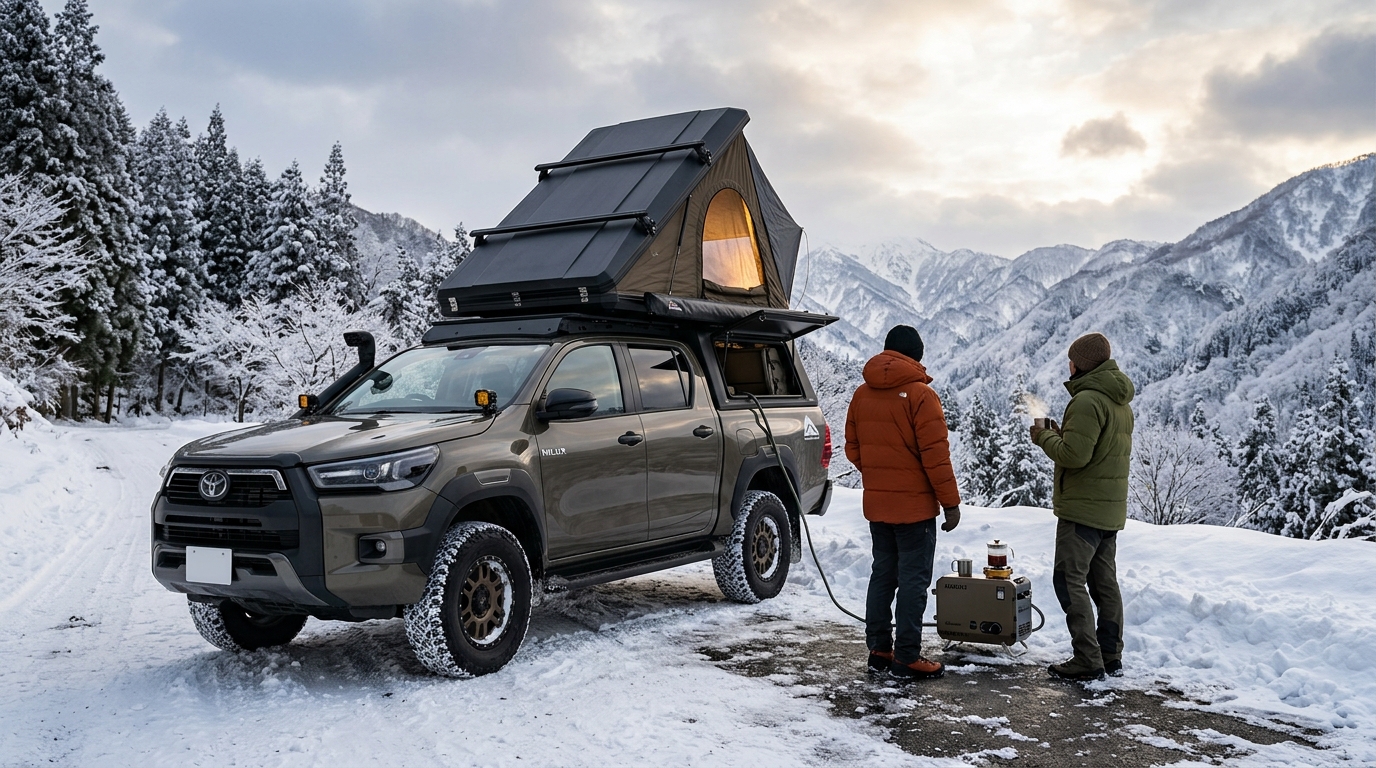
Evolution of Winter-Ready Camper Van Features in Japan's Rental Market
Japan's winter tourism sector has experienced a dramatic shift in recent years, with overland camping becoming a primary mode of exploration for travelers seeking snow-covered landscapes. According to recent industry data, the demand for specialized winter camping vehicles has grown by over 40% in the last three years. This surge is not merely a trend but a structural change in how visitors experience the Japanese Alps, Hokkaido, and northern Honshu. Modern renters no longer accept standard summer setups; they require vehicles equipped with specific thermal, traction, and power systems to survive sub-zero temperatures safely.
Understanding Winter Camping Requirements
Winter camping in Japan is fundamentally different from summer camping. The primary challenge is not just cold, but the combination of wind chill, snow accumulation, and limited daylight hours. A winter-ready camper van must address three core areas: thermal insulation, ground traction, and reliable power generation.
Standard camping vehicles often fail in these conditions because they lack the necessary insulation for the rooftop tent and the ground clearance to navigate unplowed roads. Overland Campers Japan has responded to this by ensuring their fleet is not just "snow capable" but fully equipped for winter survival. This includes specialized tires, heated living spaces, and robust power banks that do not drain in freezing temperatures.
The evolution of these features reflects a broader shift in the rental market. Early winter campers were essentially modified sedans with basic tents. Today, the market demands purpose-built 4x4 platforms with integrated overland systems. This shift ensures that renters can focus on the experience rather than worrying about mechanical failure or hypothermia.
Critical Vehicle Specifications for Snow
The foundation of any winter camper van is the vehicle itself. Not all 4x4 systems are created equal. In Japan's rental market, the most effective vehicles for winter conditions share specific mechanical traits.
Ground Clearance and Approach Angles
High ground clearance is non-negotiable. When driving through snow, the vehicle must clear deep drifts without scraping the undercarriage. Vehicles like the Land Rover Defender and Toyota FJ Cruiser offer superior approach angles compared to standard SUVs. This allows them to tackle steep, snow-covered inclines without getting high-centered.
All-Terrain and Snow Tires
Tire selection is the most critical safety feature. Winter-ready rentals must include snow tires or all-terrain tires with deep siping. According to automotive safety reports, vehicles equipped with proper winter tires reduce stopping distances on ice by up to 30%. Overland Campers Japan equips its fleet with appropriate tires for the season, ensuring that renters have the necessary grip on icy mountain passes.
Four-Wheel Drive Systems
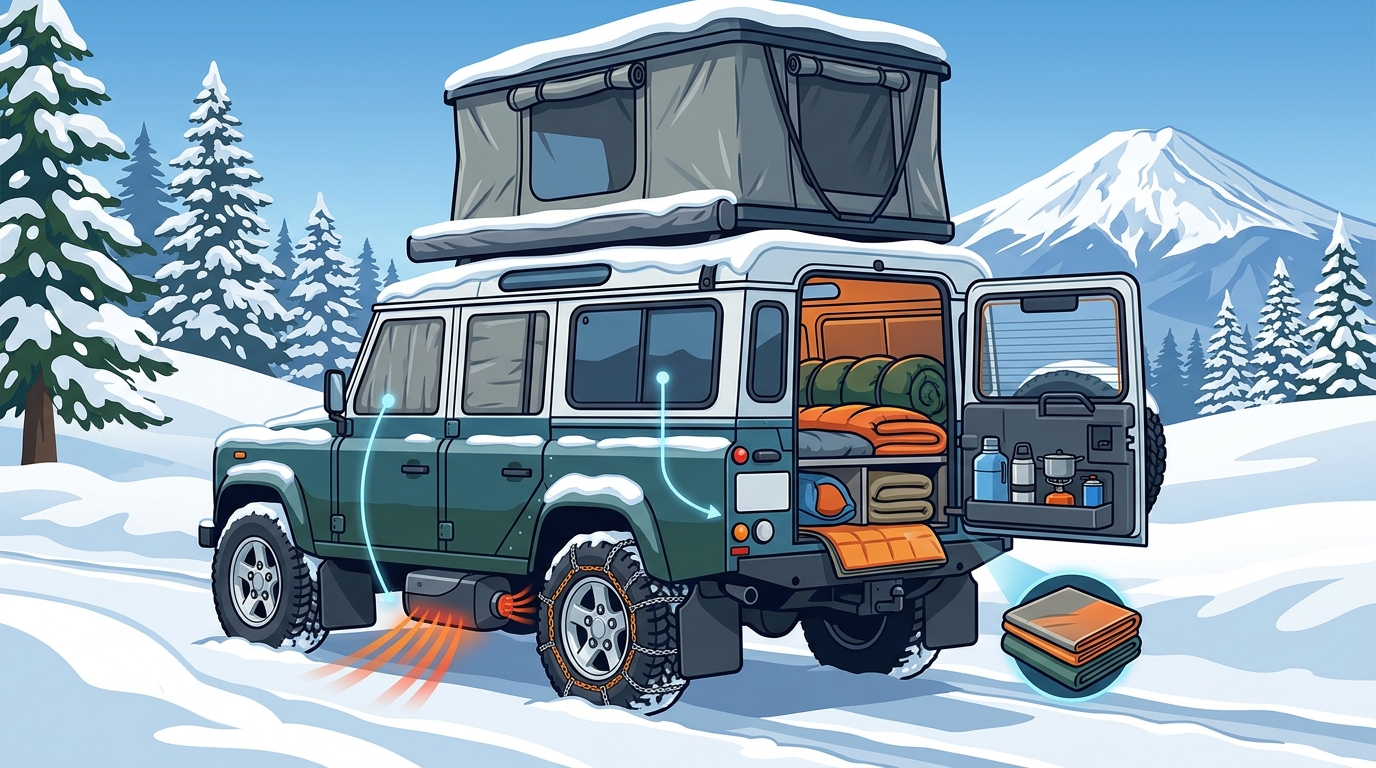
4WD capability allows power to be distributed to all four wheels, providing traction when one or two wheels lose grip. This is essential for navigating slippery roads in Hokkaido or the Japanese Alps. The Land Rover Defender 110S, for example, features a robust 4WD system designed for extreme off-road conditions, making it a top choice for winter expeditions.
Roof Tent Thermal Performance
The rooftop tent is the heart of the camper van experience. In winter, it must provide more than just a place to sleep; it must act as a thermal barrier against the elements.
Insulation and Materials
Modern winter roof tents use high-density foam insulation and thermal fabrics to retain heat. This insulation prevents condensation from freezing on the interior walls, which can lead to dampness and cold. The evolution of these materials has allowed for lighter tents that still provide excellent thermal performance.
Sleeping Capacity and Comfort
Winter camping requires extra space for bulky clothing and gear. Roof tents that sleep two to three people comfortably are ideal. The 130cm x 215cm sleeping area found in Overland Campers Japan's tents provides ample room for two adults and their gear. This size allows for proper air circulation, which is crucial for preventing carbon monoxide buildup if using any internal heat sources.
Wind Resistance
High winds in open mountain areas can destabilize poorly anchored tents. Modern roof tents feature reinforced hinges and locking mechanisms that secure the tent firmly to the roof rack. This ensures that the tent remains stable even in gusty conditions, providing a safe and secure sleeping environment.
Power and Heating Systems
Power management is the most complex aspect of winter camping. Batteries lose capacity in cold temperatures, and heating devices consume significant energy.
Battery Capacity and Charging
A robust auxiliary battery system is essential. Lithium-ion batteries are preferred over lead-acid batteries because they maintain capacity better in cold weather. Overland Campers Japan includes a complete power system in their rentals, ensuring that lights, heaters, and charging ports remain functional throughout the trip.
Heating Solutions
Portable heaters are vital for comfort. Diesel heaters are popular in overland camping because they are efficient and can run on the vehicle's fuel supply. These heaters provide consistent warmth without draining the auxiliary battery. Additionally, heated sleeping bags and thermal liners are often included to enhance comfort.
Power Management Strategies
Smart power management is key to a successful winter trip. Renters must monitor their battery levels and use power-saving modes when possible. Overland Campers Japan provides guidance on power usage, ensuring that renters can enjoy their trip without worrying about running out of power.
Fleet Comparison: Defender vs. Jimny vs. FJ
Choosing the right vehicle depends on your travel style and group size. Here is a comparison of the primary winter-ready options available in Japan.
| Vehicle Model | Best For | Winter Capability | Sleeping Capacity | Starting Price (JPY) |
|---|---|---|---|---|
| Land Rover Defender 110S | Groups of 4-5, Luxury | Extreme Off-Road | 3 | 33,000+ |
| Suzuki Jimny Sierra | Couples, Tight Trails | High Maneuverability | 2 | 19,800+ |
| Toyota FJ Cruiser | Adventure, Durability | Robust 4x4 | 3 | 23,500+ |
The Land Rover Defender 110S offers the most space and comfort, making it ideal for those who prioritize luxury in harsh conditions. The Suzuki Jimny Sierra is perfect for couples who want to navigate narrow, snow-covered trails with ease. The Toyota FJ Cruiser strikes a balance between durability and space, appealing to adventure seekers.
Key Takeaways
- Thermal Insulation is Critical: Modern roof tents use high-density foam to prevent condensation and retain heat.
- Tire Selection Matters: Winter tires reduce stopping distances on ice by up to 30%, significantly improving safety.
- Power Management is Complex: Lithium-ion batteries perform better in cold temperatures than lead-acid alternatives.
- Vehicle Choice Depends on Group Size: The Defender 110S suits larger groups, while the Jimny Sierra is ideal for couples.
- Heating Solutions Vary: Diesel heaters are efficient and run on vehicle fuel, while electric heaters require robust battery systems.
- Winter Tourism is Growing: Demand for winter camping vehicles has increased by over 40% in recent years.
- Professional Support is Available: Overland Campers Japan provides 24-hour roadside assistance and winter-specific guidance.
Frequently Asked Questions
What is the best vehicle for winter camping in Japan?
The Land Rover Defender 110S is often considered the best for winter camping due to its robust 4WD system, high ground clearance, and spacious interior. However, the Suzuki Jimny Sierra is excellent for narrow trails and offers high maneuverability in deep snow.
How do roof tents perform in snow?
Modern winter-ready roof tents are designed with high-density insulation and thermal fabrics to retain heat and prevent condensation. They are also engineered to withstand high winds and heavy snow loads, ensuring a safe and comfortable sleeping environment.
What power systems are included in winter camper vans?
Winter camper vans typically include a robust auxiliary battery system, often using lithium-ion technology for better cold-weather performance. They also include charging ports for devices and may offer options for diesel heaters that run on the vehicle's fuel supply.
Are winter tires included in the rental?
Yes, reputable rental companies like Overland Campers Japan equip their fleet with appropriate winter or all-terrain tires for the season. This ensures that renters have the necessary traction and safety features for driving on snow and ice.
Can I camp in Japan during winter?
Yes, winter camping in Japan is a popular and rewarding experience. It offers unique opportunities to see snow-covered landscapes, hot springs, and clear night skies. However, it requires specialized equipment and preparation to ensure safety and comfort.
What is the minimum rental period for winter campers?
The minimum rental period is typically two days. This allows renters enough time to set up camp, enjoy the experience, and safely navigate back to the pickup location. It is important to book in advance, especially during peak winter months.
How do I stay warm in a rooftop tent?
Staying warm in a rooftop tent involves using a combination of thermal sleeping bags, insulated tent liners, and portable heaters. Diesel heaters are particularly effective as they provide consistent warmth without draining the battery. Additionally, wearing layered clothing and using thermal mats can enhance comfort.
Book Your Winter Adventure
Winter camping in Japan offers a unique and unforgettable experience. With the right vehicle and preparation, you can explore the country's most beautiful snow-covered landscapes in comfort and safety. Overland Campers Japan provides a fleet of fully equipped winter-ready camper vans, ensuring that you have everything you need for a successful trip.
Whether you choose the luxurious Land Rover Defender 110S, the agile Suzuki Jimny Sierra, or the durable Toyota FJ Cruiser, you are guaranteed an adventure that combines the thrill of overlanding with the comfort of a well-equipped camper. Book your winter adventure today and experience Japan like never before.
Visit Overland Campers Japan Reservations to secure your vehicle and start planning your winter expedition.